Numerous engineering sites and construction projects need trench-digging. They are used for laying telephone lines, pipes or any other tubular structure that has to be put in deep underground, like oil rigs, etc. Due to the high moisture content of the soil, trenching can be a laborious job. This is due to the fact that it’s difficult to remove dirt and debris from surrounding objects but also ensure that you are safe from severe injuries if you expose your skin.
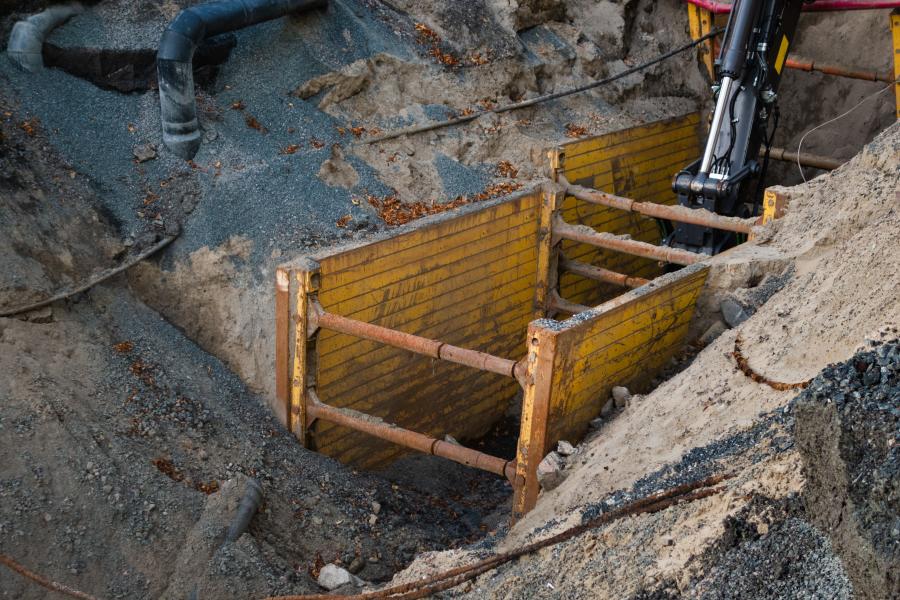
Trenches are essential for any kind of construction, or repair that must be completed on the ground. Trench boxes are also utilized to guard against collapse depending on the soil’s quality and the thickness of the material. They are constructed of steel/aluminum framing. It is temporary to keep it in place as excavation takes places within them. Finally, grout is placed to two layers, if needed, to ensure that there are no cracks at site level.
Pre Installation
It is essential to recognize any risk that might be present prior to excavation. It is crucial to determine the type of equipment used and how many people will need access. Additionally, think about other methods that might have been used to accomplish the task without placing lives or limbs at risk (such as minimally invasive techniques). A thorough risk assessment should be conducted prior to excavation surveying so that all possible dangers are easily recognized prior to time; this can help reduce unforeseen complications later downline.
It’s equally important to take into consideration the trench’s depth. You’ll need assistance from sloping or shoring in the case of a five feet of width. But, if the hole is 20 feet deep it will require additional engineering. This is due to the absence of straight sides at either end. Any structure that rises above the ground should be considered in light of the possibility of foundation movement.
A ladder, step, ramp or ladder must be used to gain access to the trench. In case of an emergency, there must be an accessible area of 25 feet or less. The trench may also be required to check the levels of oxygen and toxic gases by using specially designed containers called “trench box”. These articulated devices are easy to install, but you must be cautious not to pile them on top of each other.
Care care for the trench
1. Check the trench box and support every day for signs of damage and any changes.
2. All personnel working on site must wear protective equipment and wear steel-toed shoes.
3. Keep any heavy equipment or other tools at least three feet away from the trench’s edge.
Extracting
Because the earth around the trench box is moving, it is more difficult to build than to extract it. Chain slings are a good option for extraction, and three methods will aid you, the most effective one being employing an overhead crane.
1. Straight Pull Straight Pull: This is the most fundamental of all extraction methods. Attach your sling to the two points and then pull it out. You don’t need to use a lot of force or unneeded movements.
2. Half Pull: Attach the half-pull to one side of the trench box and then lift it as far as you can before moving to the other side. This will let you clean up any debris or dirt without causing damage to your garden.
3. Single Pull: You link one chain leg to the lifting or extraction point. Each panel will be raised by turns. You can remove it with your trusted pull.
For more information, click trench shore